

Introduction
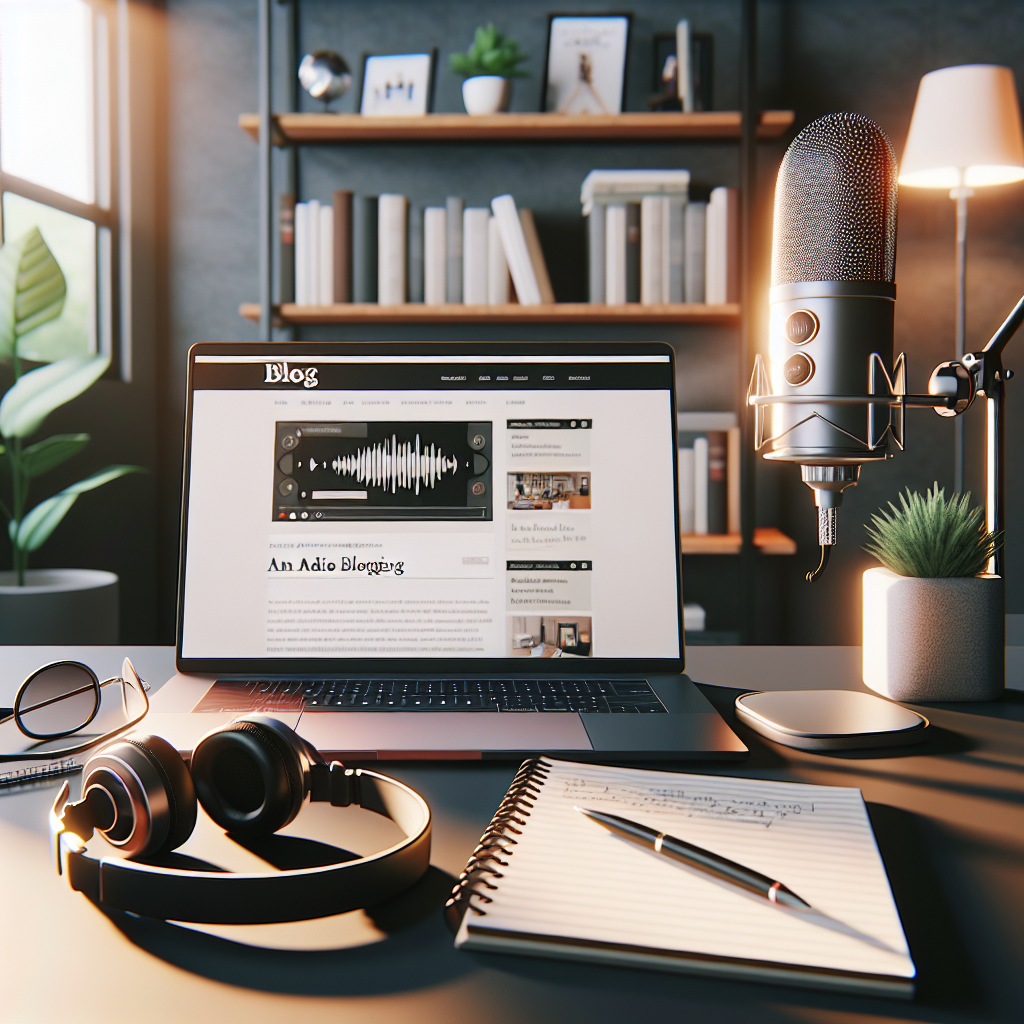
Starting an audio blog is an exciting venture that allows you to share your thoughts, stories, and expertise in an engaging format. But before diving into the world of podcasting and audio blogging, you need a solid foundation for your blog website. In this guide, we will explore essential tips for making a blog website that not only showcases your audio content but also attracts and retains an audience.
Understanding the Basics
Creating a website for a blog involves understanding the fundamentals of audio blogging. An audio blog combines traditional blogging with audio recordings, allowing you to communicate your message in a more personal and dynamic way. Here are the basic elements you should consider.
Choosing the Right Platform
One of the first steps in creating your blog post website is selecting the right platform. WordPress, Wix, and Squarespace are popular choices, offering user-friendly interfaces and various templates. For audio blogs, it’s crucial to choose a platform that supports audio file uploads and streaming.
Hosting Your Audio Files
When you make a blog website, you need to decide where to host your audio files. Options include third-party hosting services like Libsyn or Podbean, which specialize in audio content, or you can self-host on your own website. Ensure your chosen method provides reliable uptime and fast loading times for your listeners.
Designing Your Blog Website
A simple blog website design should be clean and intuitive. Consider your audience and how they will navigate your site. Make sure to include essential elements like an easy-to-find audio player, subscription options for your audio blog, and clear categories for your posts.
Key Benefits and Features
Starting your audio blog on the right website for a blog provides several key benefits and features. Understanding these can help you maximize the impact of your content.
Increased Engagement
Audio content tends to engage users more effectively than text alone. Listeners often find it easier to consume information while multitasking, which can lead to longer listening times and a more engaged audience.
Building a Community
An audio blog can foster a sense of community. By encouraging listener interaction through comments, social media, or voice messages, you can create a loyal following. This community can provide valuable feedback and support as you grow your blog.
Versatile Content
You can explore various topics through your audio blog. From interviews and storytelling to educational content, the versatility of audio allows you to cater to your audience's interests.
Best Practices and Tips
To ensure your audio blog reaches its full potential, here are some best practices and tips to follow.
Create High-Quality Audio
Investing in good recording equipment is essential. Poor audio quality can deter listeners. Use a decent microphone, and consider soundproofing your recording space. Also, edit your audio files for clarity and conciseness; tools like Audacity or GarageBand can help with this.
improve for SEO
Your blog post for website needs to be optimized for search engines. Use your primary keyword "website for a blog" naturally throughout your content. Include relevant secondary keywords such as "blog post for website" and "simple blog website" in your titles, descriptions, and audio file names to improve discoverability.
Promote Your Content
Don’t rely solely on organic traffic. Promote your audio blog through social media, email newsletters, and collaborations with other bloggers. Engage with your audience on platforms like Instagram, Twitter, and Facebook to build your presence.
Encourage Feedback
Listener feedback is invaluable. Encourage your audience to leave comments or reviews, and consider their suggestions to improve your content. This interaction not only builds community but also provides insights into what your audience wants.
Consistency is Key
Establish a regular posting schedule to keep your audience engaged. Whether it's weekly or bi-weekly, consistency helps build anticipation and loyalty among your listeners.
Track Your Progress
Use analytics tools like Google Analytics or podcast-specific platforms to monitor your audience growth and engagement. Understanding your audience's behavior can help you refine your content strategy.
Common Challenges and Solutions
Every blogger faces challenges when starting out. Here are some common issues and practical solutions.
Technical Difficulties
Setting up your blog website can be technically challenging. If you're not tech-savvy, consider hiring a freelance web developer. Alternatively, many platforms offer customer support and tutorials that can guide you through the setup process.
Finding Your Niche
Identifying a niche can seem daunting. Start by exploring your interests and expertise. Consider what topics resonate with you and your potential audience. Conduct market research to see what’s trending in the audio blogging space.
Managing Time
Balancing content creation with other responsibilities can be tough. Create a content calendar to plan your topics and recording sessions. This structured approach can help you stay organized and reduce stress.
Overcoming Writer’s Block
If you find yourself struggling for topics, try brainstorming sessions or listening to other podcasts for inspiration. Engaging with your audience can also spark new ideas based on their interests.
Conclusion
Launching an audio blog is a rewarding journey that requires careful planning and execution. By building a simple blog website, focusing on quality content, promoting your audio effectively, and engaging with your audience, you can create a thriving platform. Remember to stay consistent, seek feedback, and adapt your strategies as needed. Now is the time to take the plunge and start your audio blog adventure!
For more resources on blogging and audio content, check out Podcasters' Guide for tips and best practices. You can also visit Butter Reader for more insights on creating engaging content.