

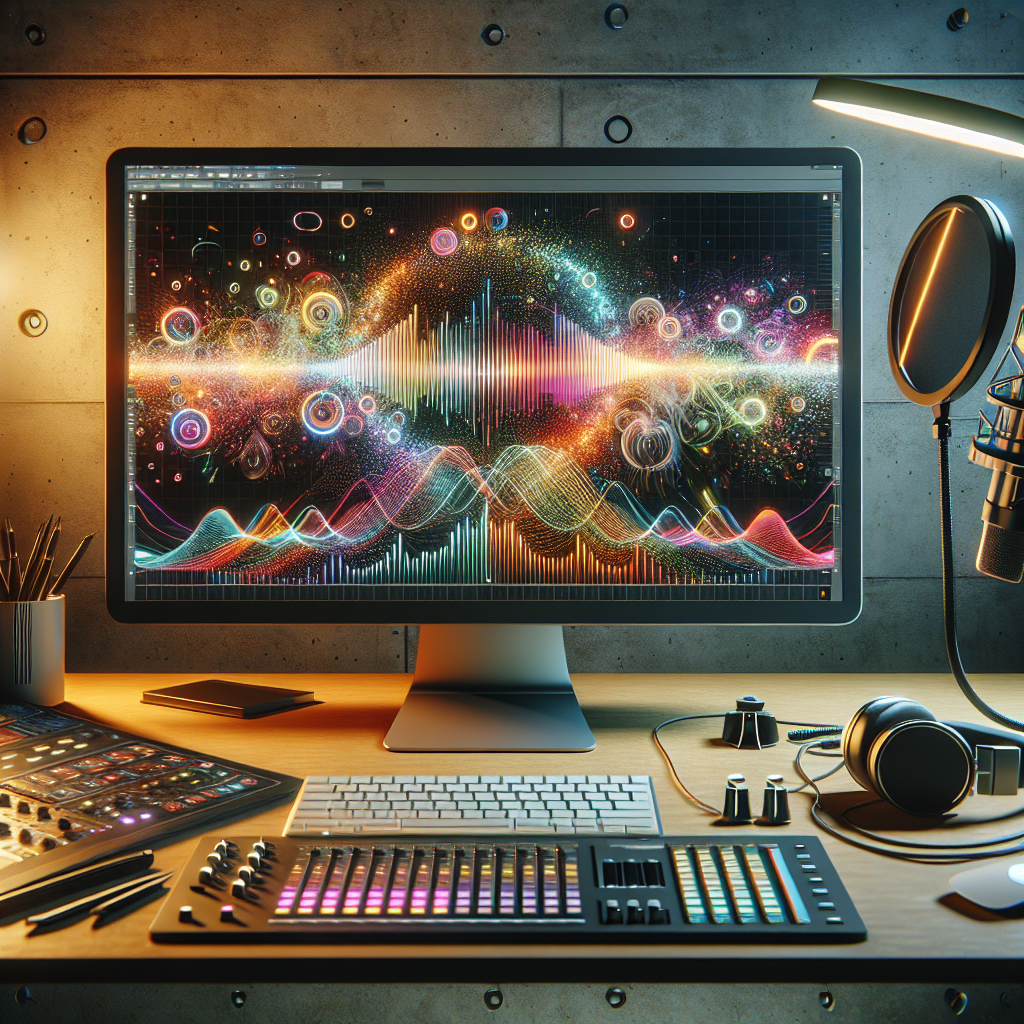
Introduction to Audio Visualizers
In a world increasingly driven by visual content, audio visualizers have emerged as a powerful tool for enhancing engagement and creativity. An audio visualizer is a graphical representation of sound, often transforming musical beats and rhythms into captivating animations. These tools can elevate content across various platforms, making them essential for artists, educators, marketers, and anyone looking to enrich their auditory experiences.
With the rise of platforms such as Spotify and the availability of numerous online tools, creating stunning visual representations of audio has never been easier. This article explores innovative use cases for audio visualizers, demonstrating how they can transform ordinary content into extraordinary experiences.
Understanding the Basics of Audio Visualizers
Before diving into specific use cases, it’s important to grasp the fundamentals of audio visualizers. These tools analyze audio frequencies and convert them into visual elements, such as shapes, colors, and movements. The primary components include:
- Frequency Analysis: Audio visualizers break down sound into its various frequency components, allowing for a detailed graphical representation.
- Visual Elements: Common visual elements include waveforms, spectrograms, and animated graphics that respond to the beat and mood of the music.
- Real-time Rendering: Many modern audio visualizers render visuals in real-time, providing an interactive experience that syncs perfectly with the audio.
By understanding these basics, creators can effectively utilize audio visualizers to enhance their content.
Key Benefits and Features of Audio Visualizers
Using audio visualizers can offer several key benefits:
1. Increased Engagement: Visual content is more engaging and can capture the audience's attention better than audio alone.
2. Enhanced Branding: Custom audio visuals can help reinforce brand identity and make content more memorable.
3. Improved Accessibility: Audio visualizers can help convey complex audio concepts visually, making content accessible to a broader audience.
4. Interactive Experiences: Many audio visualizers allow users to interact with the visuals, creating a more immersive experience.
Essential Features to Look For
- Customization Options: The ability to customize visuals to match your brand or theme.
- User-Friendly Interface: Intuitive design for easy navigation and creation.
- Export Options: Ability to export visuals in various formats for different platforms.
- Integration with Music Services: Compatibility with platforms like Spotify for seamless content creation.
10 Innovative Use Cases for Audio Visualizers
1. Music Blogs and Podcasts
Music blogs and podcasts can significantly benefit from audio visualizers. Adding dynamic visuals to audio episodes or music reviews can help retain audience attention and provide a richer experience. For instance, using a free music visualizer to create visuals for podcast episodes can turn passive listening into an engaging visual journey.
2. Beat Selling Websites
For producers and beat makers, showcasing beats with audio visualizers can elevate the selling experience. By using a music visualizer for Spotify or an AI music visualizer, producers can present their beats in visually appealing formats, making them more enticing to potential buyers. This method not only showcases the music but also reflects the producer's creative skills.
3. Portfolios for Musicians and Creatives
Musicians and other creatives can enhance their online portfolios by incorporating audio visualizers. A well-designed portfolio that includes audio visuals can impress potential clients and collaborators. Utilizing a music visualizer online can serve as an interactive demo of a musician's work, allowing visitors to experience the sound visually.
4. Educational Websites
Educational platforms can leverage audio visualizers to explain complex audio concepts or create immersive learning experiences. For instance, a website teaching sound design can use sound visualizers to show how various frequencies look and behave, making lessons more engaging.
5. Kids' Blogs and Educational Content
Kids' blogs can benefit from colorful and dynamic audio visualizers to make learning fun. By incorporating visualizers that respond to children's songs or educational audio clips, creators can engage young audiences and enhance the learning experience.
6. Social Media Content
Social media platforms thrive on visual content. Using audio visualizers in social media posts can help creators stand out. Animations that sync with music can be particularly effective on platforms like Instagram and TikTok, driving higher engagement rates.
7. Live Events and Performances
For live events, using audio visualizers during performances can create an unforgettable atmosphere. Visuals that dance to the music can enhance the live experience for audiences, making events more memorable and shareable on social media.
8. Marketing Campaigns
Incorporating audio visualizers into marketing campaigns, especially for music-related products or services, can boost engagement. For example, brands can create captivating video ads that feature audio visualizations of their products in action, compelling audiences to take action.
9. Meditation and Relaxation Apps
Meditation and relaxation apps can utilize audio visualizers to enhance the calming experience. Visuals that respond to serene music or nature sounds can help users focus and unwind, making the app more appealing and effective.
10. Fitness and Workout Videos
Fitness influencers can enhance their workout videos with audio visualizers that sync with the music. This can make workouts more enjoyable and motivating, encouraging viewers to stay engaged throughout the session.
Best Practices and Tips for Using Audio Visualizers
To maximize the impact of audio visualizers, consider these best practices:
- Choose the Right Visualizer: Select a visualizer that aligns with your content style and audience preferences. Explore options like free music visualizers or AI visualizers to find the perfect fit.
- Keep It Simple: Overly complex visuals can distract from the audio. Aim for a balance between engaging visuals and clear auditory content.
- Syncing Audio and Visuals: Ensure that the visuals accurately respond to the audio. Poor synchronization can lead to a disjointed experience.
- Optimize for Platforms: Tailor your visuals for the platforms you’re using. Different social media channels may require different formats or styles.
Common Challenges and Solutions
While audio visualizers offer numerous benefits, there are challenges to consider:
- Technical Issues: Poor software performance can hinder the creation of visuals. Choose reliable audio visualization tools and test them before major projects.
- Learning Curve: Some visualizers may have a steep learning curve. Take the time to explore tutorials and guides to master the tools effectively.
- Quality Control: Low-quality visuals can detract from the audio experience. Always preview and refine your visuals before finalizing them for public viewing.
Conclusion
Audio visualizers are powerful tools that can elevate content across various platforms and industries. From enhancing music blogs to enriching educational content, their applications are vast and varied. By understanding the basics and following best practices, creators can effectively incorporate audio visualizers into their workflows.
Now that you’re equipped with innovative use cases and practical tips, consider exploring audio visualizers for your content. Whether you’re a musician, educator, or marketer, these tools can transform your audio experiences and engage your audience like never before. For more insights and resources on content creation, visit Butter Reader or check out our Blog for additional articles on enhancing your creative projects.
Explore the possibilities of audio visualizers and take your content to the next level today!